The Montessori Approach
“Help me to do it myself.”
Education as an aid to life.
Developed by Dr. Maria Montessori over a century ago, the Montessori method is built on careful observation of how children naturally learn. Children are given freedom within limits in a carefully prepared environment, and choose purposeful activities that match their stage of development.
The result is children who concentrate deeply, work independently, care for one another and genuinely love learning.
What makes Montessori different
 01
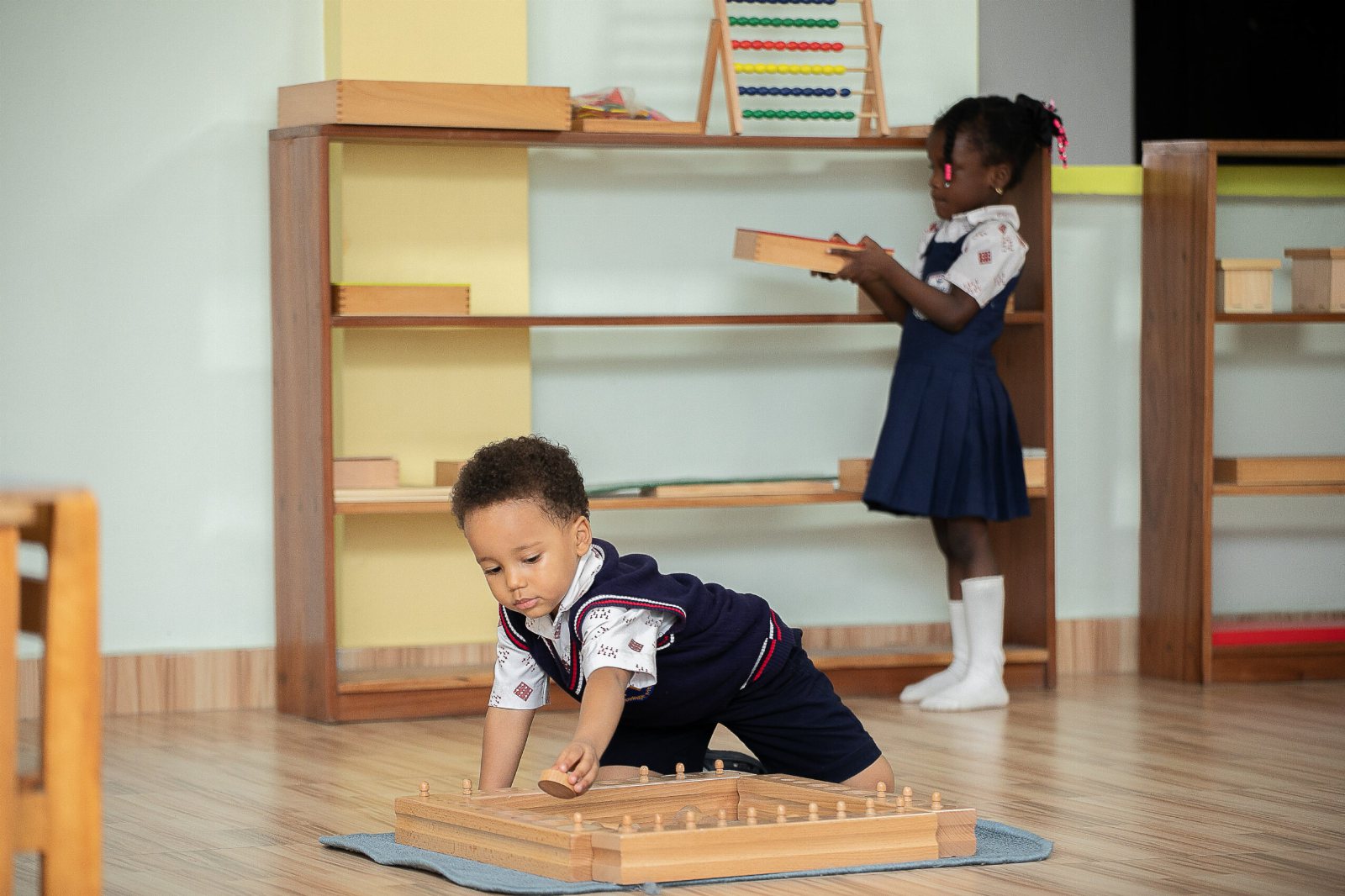
The Prepared Environment
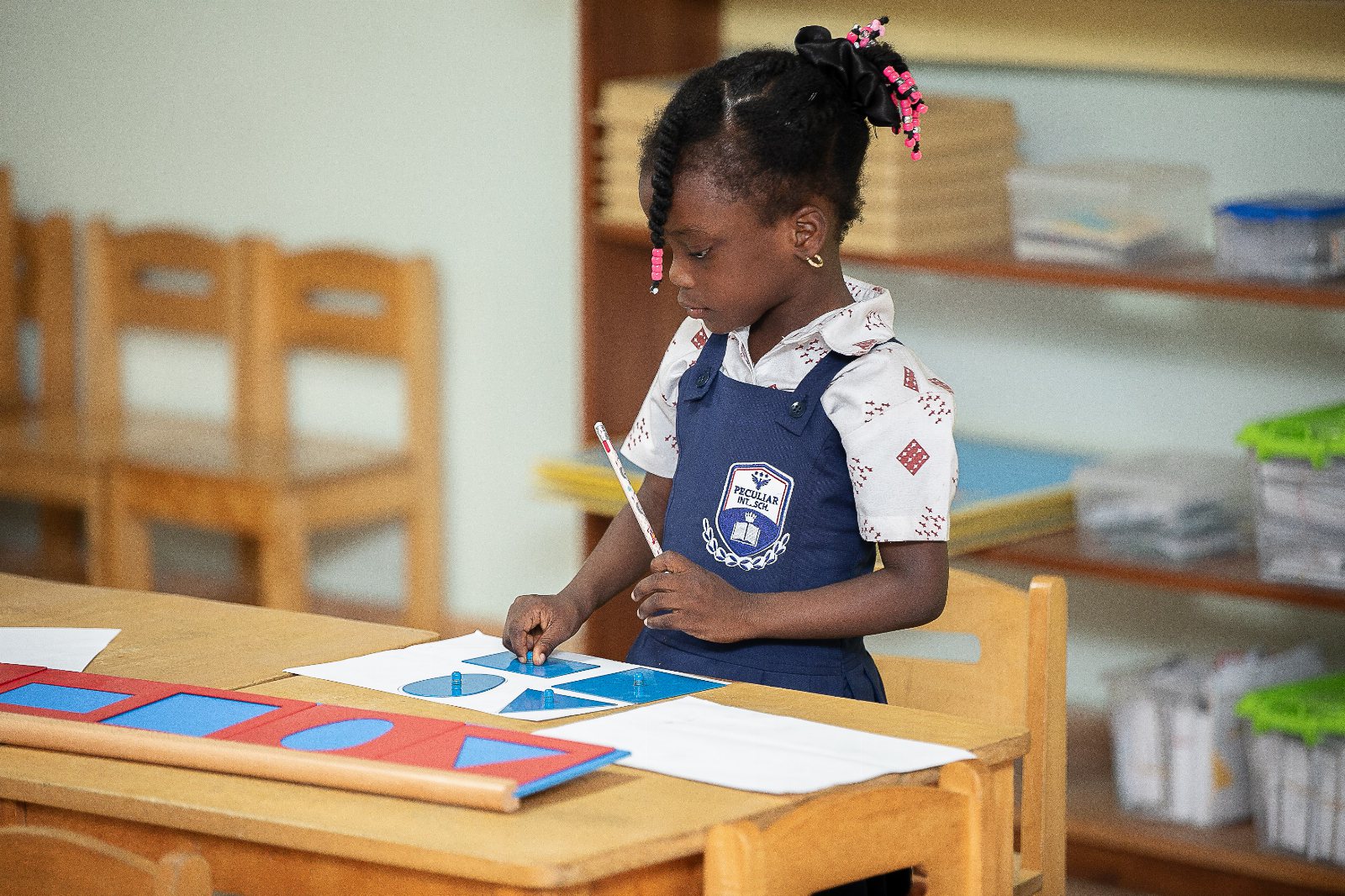
Calm, orderly, beautiful classrooms with child-sized furniture and materials on open shelves.
 02
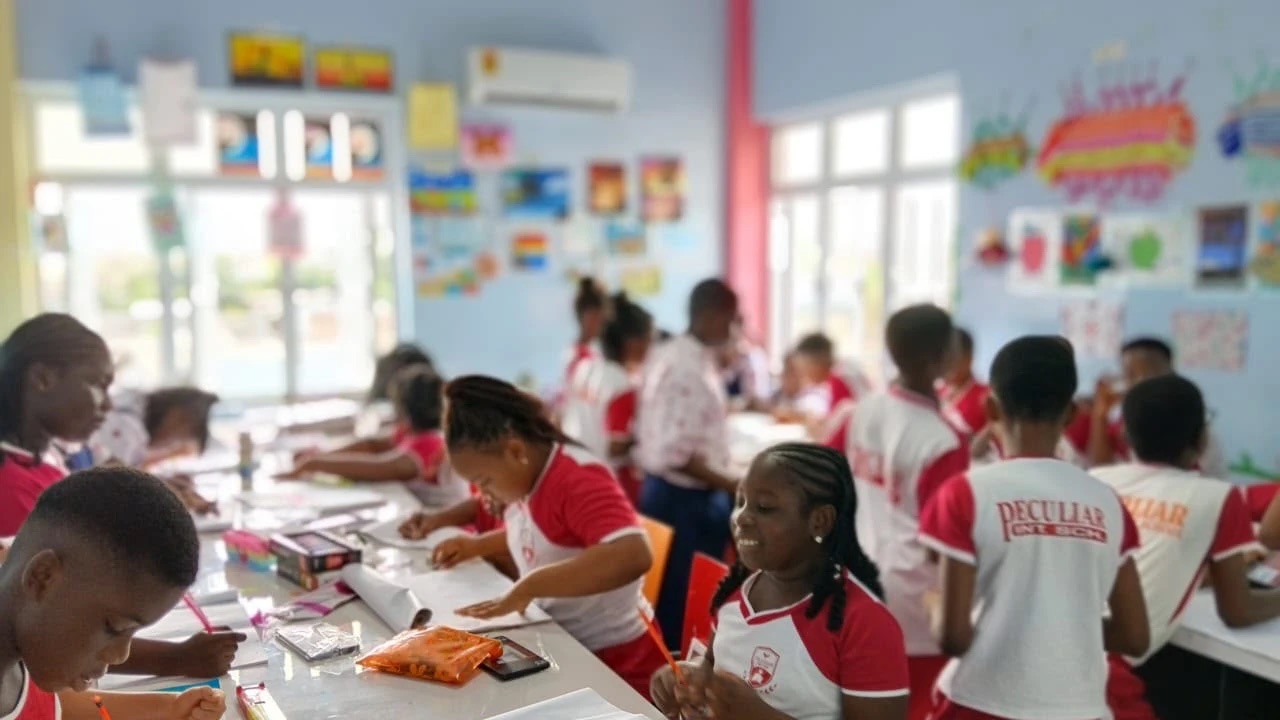
Freedom Within Limits
Children choose their work and move freely, within clear and respectful boundaries.
 03
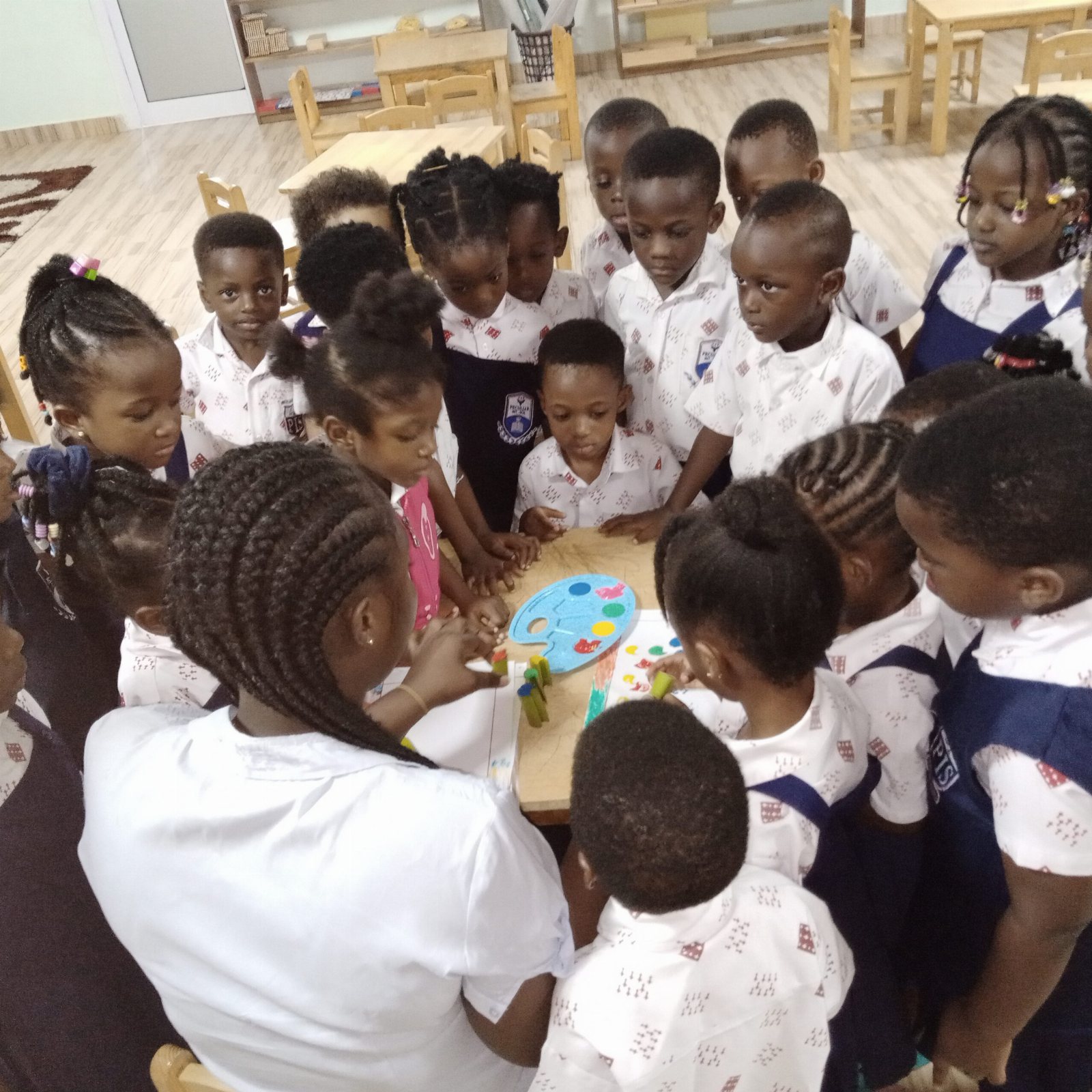
The Guide
Trained directresses observe each child and introduce new lessons at the right moment.
 04
Mixed-Age Community
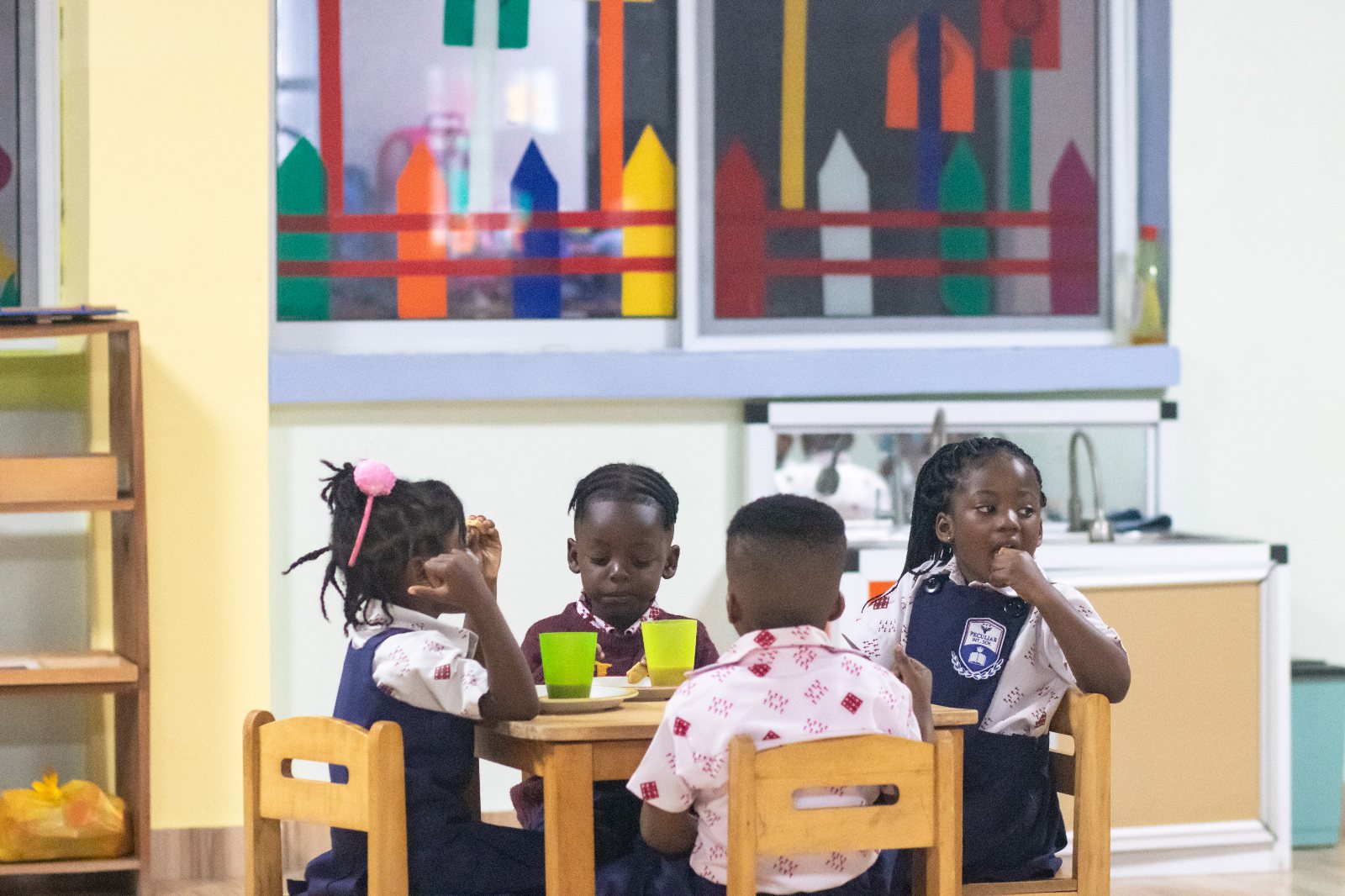
Shared activities across classes let younger children learn from older ones, and older children lead.
 05
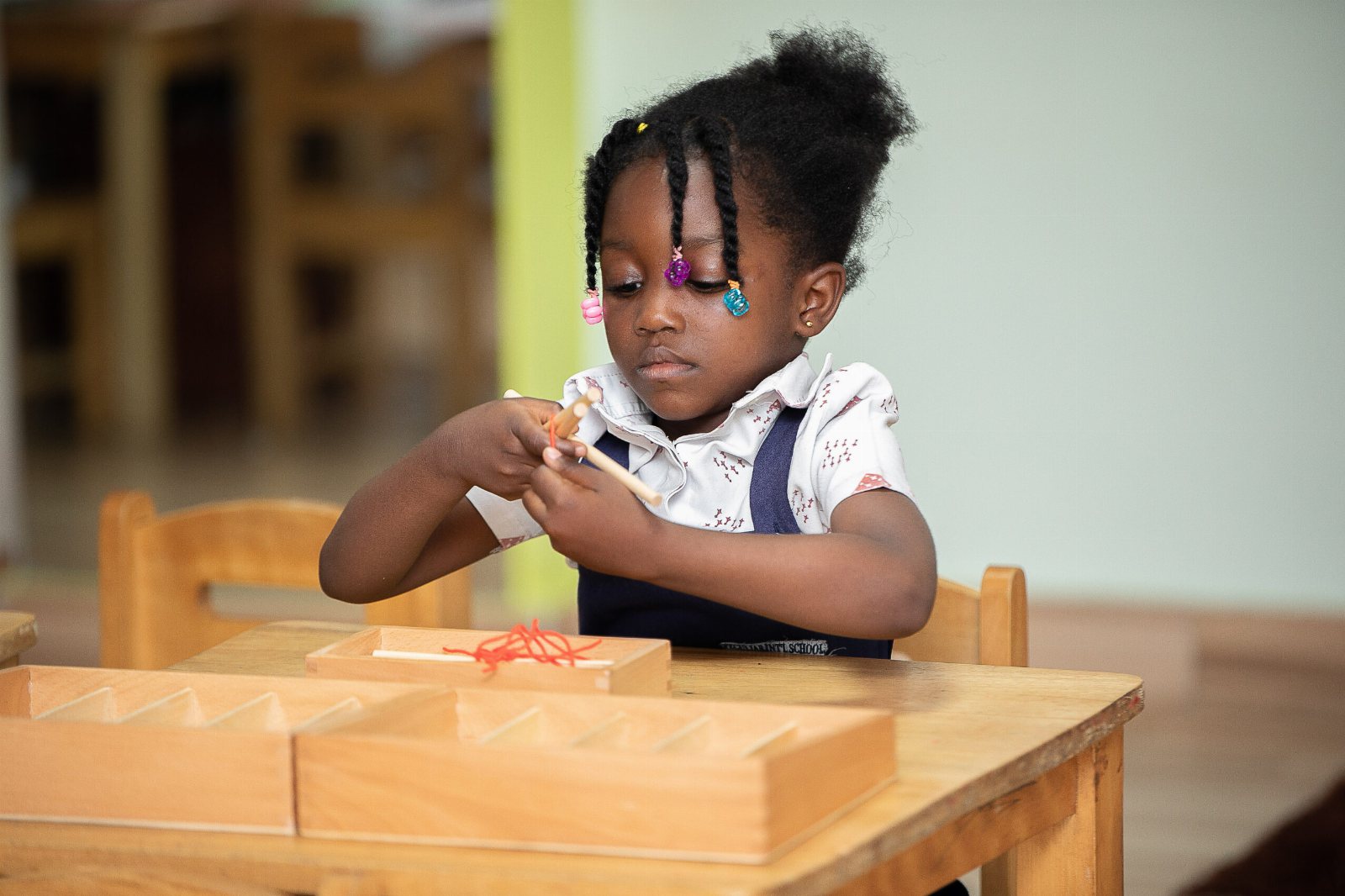
Hands-On Learning
Self-correcting materials make abstract concepts concrete and let children learn from their own discoveries.
 06
The Whole Child
Social, emotional, physical and intellectual growth are nurtured together.
The greatest sign of success for a teacher is to be able to say, "The children are now working as if I did not exist."— Maria Montessori
Five areas of discovery
Practical Life
Pouring, buttoning, food preparation and care of the environment build independence and coordination.
Sensorial
Materials that refine the senses — size, colour, texture, sound — and lay foundations for mathematics.
Language
Sandpaper letters, the moveable alphabet and rich vocabulary lead naturally to writing and reading.
Mathematics
Golden beads and number rods make quantity, place value and operations concrete.
Culture & Science
Geography, science, history, art and music open a window to the wider world.